Jennifer
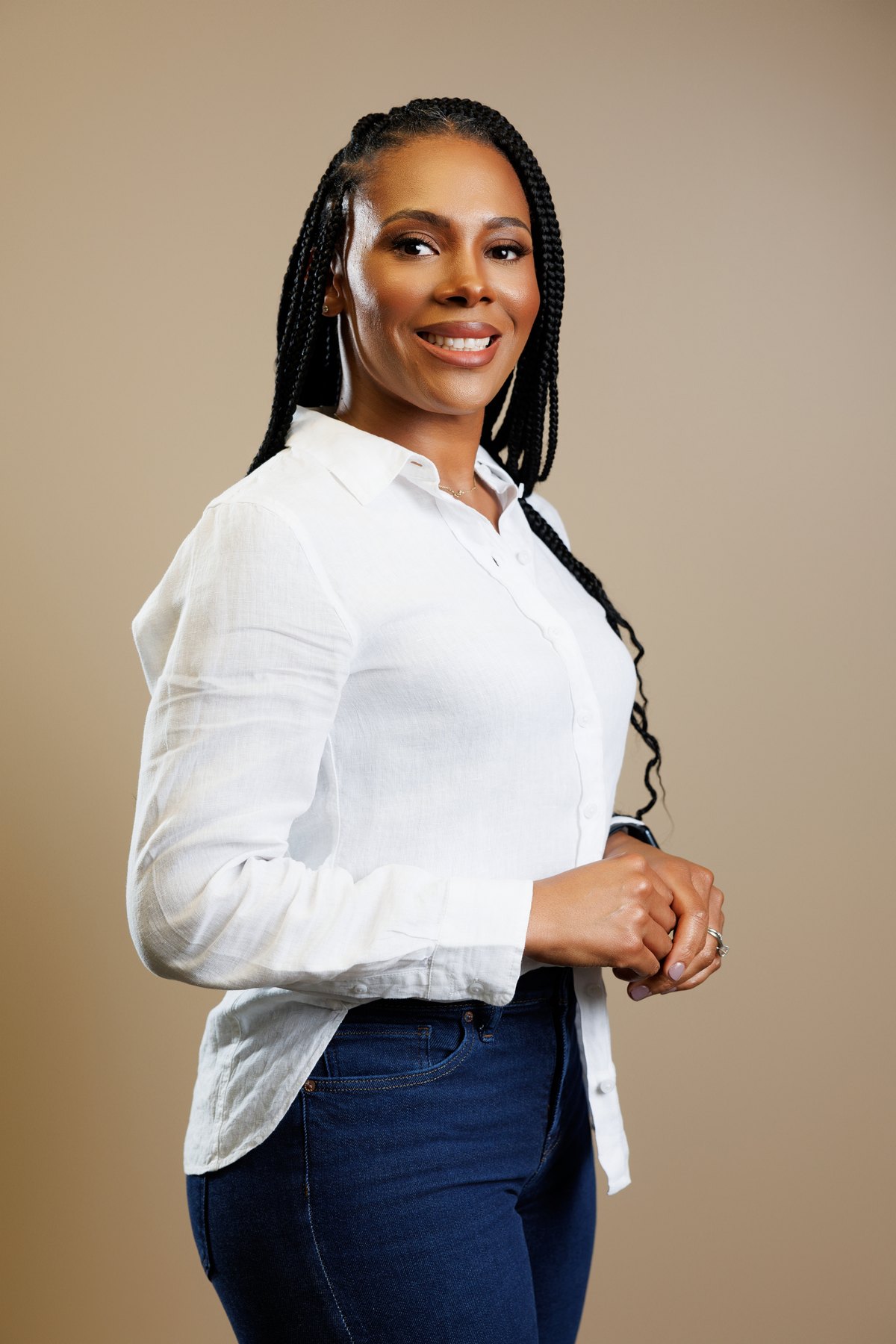
McKenzieFounder & Principal Consultant · Organized Synergy, LLC
I’m not a fundraiser by trade — I’m a strategist. Over the past decade, I’ve helped organizations secure more than $15 million by building the clarity and capacity that make their work fundable.

Fundraising challenges are rarely about raising funds.
More often, the real issues sit underneath: missing funder relationships, thin data and storytelling around impact, program designs that are unclear or unrealistic, stretched capacity, and no clear vision for where the organization is headed. None of that comes together at the eleventh hour, when a grant deadline collides with delivering services, answering emails, and a calendar full of meetings.
I learned that the hard way. Early in my career, I had my share of rough funder meetings — the questions they asked, I fumbled through like a pop quiz on a Monday morning after a holiday break. So I changed how I showed up. I started leading with curiosity: inviting funders to weigh in on something that mattered — the direction of the organization, a new program taking shape — and making time to hear what they cared about as people, not only the priorities they were advancing as funders.
More of my proposals started getting greenlit. But something else happened, too — funders began telling me how to make them stronger. I’d always been a capable writer, and I learned that writing something that sounds good is not the same as writing about a program that is sound. What set proposals apart was the mechanics underneath: funders wanted to understand how the work actually worked, and whether they were making a good investment — especially once we started landing six- and seven-figure commitments.
Over the years, the patterns came into focus — what separates a weak proposal from a good one, a good one from a great one, and a great one from a proposal that’s almost a formality because the funding is already a foregone conclusion. It always came down to the same thing: the foundation underneath the work. Those patterns became the Formula for Nonprofit Sustainability — the framework I developed and bring into every engagement, whether I’m helping an executive and board shape their next strategic plan, strengthen their fundraising, or measure their impact. It’s all connected.
What the Formula is built on
In my experience, funders need to understand the same handful of things about any organization. My team and I work to ensure our clients have what it takes to demonstrate their case for support, their fundability, and their long-term sustainability:
Program Design
A clear model of what the program is, who it serves, and how it works in practice.
Impact Measurement
Defining the outcomes that matter and showing, credibly, that the work produces them.
Financial Clarity
Financials a funder can read and trust — where the budget itself helps tell the story and shows you understand what it takes to deliver the work.
Team Capacity
Showing that leadership, governance, and infrastructure can deliver on what the organization commits to.
Sustainability
Positioning each opportunity within a durable, diversified funding picture that holds beyond a single gift.
Funder Alignment
Meeting the informational and relational needs of each funder, including demonstrated support from others.
Strategy
A clear read on the landscape around an organization and a clear approach to the business challenges in front of it — the throughline that keeps every dimension above moving in the same direction.
secured across foundations, public agencies, and financial institutions — a cross-section of funder types, each with its own priorities and its own definition of a credible case.
- The Ingram White Castle Foundation
- The Columbus Foundation — Targeted Fund
- The Columbus Foundation — Equity Fund
- The Columbus Foundation — Unsolicited / Non-Competitive Fund
- City of Columbus, Dept. of Development
- City of Columbus, Dept. of Education
- Columbus City Council — Discretionary Funds (former Pro Tem Elizabeth Brown)
- Franklin County Jobs & Family Services
- Franklin County Office of Justice Policy & Programs (TCAP)
- ADAMH of Franklin County
- Huntington National Bank
- KeyBank
- First Merchants Bank
- JPMorgan Chase
A representative sample — not an exhaustive list.
How we work.
Every engagement is shaped to the organization in front of us, and the methodology stays consistent — a deliberate set of practices and tools, refined over a decade of work with funders, executive leaders, and boards.
Stakeholder Interviews
We begin by listening. Conversations with leadership, staff, and board surface what is true about the organization, its program, and its ambitions.
Client Working Sessions
Structured, collaborative sessions to align on the program model, define the outcomes that matter, and shape strategy together.
Market & Funder Research
Tailored to the engagement — mapping the funder landscape, researching best practices, or designing survey instruments tied to specific outcomes.
Proprietary Tools & Data
Frameworks and instruments developed in-house over a decade of practice with funders, executives, and boards, then adapted to each organization’s reality.
Applied AI
Modern tools used to accelerate research, synthesis, and analysis, so insight arrives faster, sharper, and better supported.
“Our work is to help an organization become genuinely fundable — clear about what it does, honest about what it costs, and built to last — so that when it sits across from a funder, the case speaks for itself.”